


Antlerite
Antlerite Natural inorganic pigment Pigments sorted by Colour | Type | First date of use | Elements | Pigment timelines Search for: Composition and Properties of Antlerite Antlerite is a basic copper sulfate with the chemical formula of Cu3[(SO4)(OH)4]....
Carmine Kermes
An extensive collection of information, images and videos on the ancient natural pigment carmine kermes which was known since Biblical times.

Carmine Cochineal
An extensive collection of information, images, and videos on the natural pigment carmine cochineal which was known since Biblical times.

Tyrian Purple
Tyrian purple is one of the oldest, most valued and most expensive pigments. It had been first produced from shellfish in the Phoenician city of Tyre.

Phthalocyanine green
Phthalocyanine green is a bluish green pigment with outstanding lightfastness and stability commercially produced since 1938.

YInMn blue
An extensive collection of information on properties, preparation, identification, and use of YInMn blue – the recently discovered very stable blue pigment.
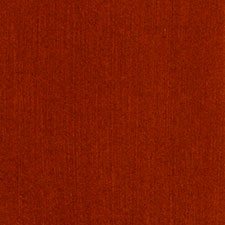
Pompeiian red
Pompeiian red is actually burnt sienna originating from Tuscany in Italy. The main color giving component of this pigment is iron oxide.

Vantablack
An extensive collection of information on the properties, preparation, use, and identification of Vantablack, the blackest pigment known to man.

Spinel black
Spinel black is the blackest of all pigments except for the recently prepared Vantablack. It has excellent stability and hiding power.

Graphite
Graphite black is a natural black pigment which has been employed in painting since antiquity. It is extraordinarily stable and lightfast.

Peach stone black
Peach stone black is a pigment of vegetable origin prepared by charring peach stones and used since Renaissance times. It is stable and lightfast.

Grape seed black
Grape seed black is a pigment of vegetable origin prepared by charring grape seeds. It is of bluish-black color and is very stable and lightfast.

Titanium dioxide white
Titanium dioxide white is the most modern of the white pigments. It has been in broad use since the 1920s due to its lightfastness and chemical stability.

Stil de grain
Stil de grain is a natural yellow pigment derived from unripe buckthorn berries and favored by painters such as Vermeer, Rembrandt, and Rubens.

Chrome red
Chrome red (basic lead chromate) is a rather unstable red pigment with excellent hiding power which was rarely employed in European oil painting.

Antimony orange
Antimony orange (golden sulfur of antimony) is a compound of antimony, sulfur, and oxygen. Its color can vary from yellow to orange to deep red.

Bister
Bister (bistre) is a brown-black natural pigment produced from wood soot and containing much tar. It has been employed mainly in watercolor and drawing.

Phthalocyanine blue
Phthalocyanine blue is a bright blue pigment with outstanding properties which was in use by many modern painters such as Mondrian, Pollock, and others.

Han blue
Han blue is a synthetic blue pigment produced and used in ancient and imperial China. It is of similar chemical composition and color as Egyptian blue.

Blue verditer
Blue verditer is basic copper (II)-carbonate and is the artificial form of the pigment azurite. It was used in oil painting since the 17th century.

Manganese blue
Manganese blue is a modern synthetic pigment which was in production from the 1930s until the 1990s. It is not in use anymore due to environmental concerns.

Burnt umber
An extensive collection of information on the properties, preparation, identification, and use in painting of burnt umber prepared by heating natural umber.

Vivianite
Vivianite is a hydrated iron phosphate and it was used in medieval paintings and artworks and also by Dutch baroque painters such as Johannes Vermeer.

Manganese brown
Manganese brown is a mixed oxide of manganese and was only seldom employed in oil painting. The name has been used also for other pigments such as umber.

Caput mortuum
Caput mortuum is a synthetic iron oxide pigment known under various names such as Falun red, colcothar and Indian red. Its use in oil painting was limited.

Raw sienna
Raw sienna is very similar to ochres and has been in use in European oil painting since the middle of the 18th century.

Lampblack
Lamp black is produced by burning oil or other organic fuels. It is one of the oldest known pigments which has been in use in many different cultures.

Manganese black
Manganese black was found in prehistoric artworks such as in the Lascaux caves. Its rare use in European oil painting started in the nineteenth century.

Manganese violet
Manganese violet has been discovered in 19th century but was not frequently employed in oil painting due to its low tinting strength.
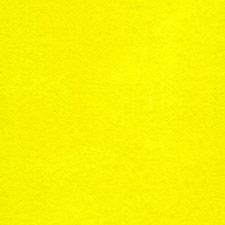
Bismuth vanadate yellow
An extensive collection of information on the properties, preparation, identification, and use in painting of the non-toxic pigment bismuth vanadate yellow.

Asphalt
Asphalt has been employed in painting since prehistoric times due to its nice brown colour. Its rather problematic properties prevented its broader use.

Indian yellow
Indian yellow was prepared from urine of cows fed on mango leaves but its use ceased in the beginning of the twentieth century due to various factors.

Cobalt titanate green
Cobalt titanate green is a modern green pigment with a slightly yellowish tint. It is not toxic and is well suited for landscape painting.

Dragon’s blood
Dragon’s blood is a rarely used pigment produced by many species of trees as a dark red resin. It is secreted from the wounded trunk or found in the fruits.

Vine black
Vine black is a pigment of vegetable origin prepared by charring vine twigs and used since prehistoric times. It is stable and lightfast.

Egyptian blue
Egyptian blue is the oldest artificially produced pigment known to Man. It was in use since about 3100 BC in ancient Egypt, India, Greece and Rome.

Arylide yellow
Arylide yellow PY 3 is an organic pigment introduced in middle of the twentieth century. It was predominantly employed as a replacement of the toxic cadmium yellow.

Zinc yellow
Zinc yellow is a rather unstable pigment which was seldom employed in oil painting. In Seurat’s ‘La Grande Jatte’ it discoloured considerably shortly after the creation of the painting.

Lemon yellow
Lemon yellow was seldom used in oil painting due to its moderate tinting strength and hiding power. Renoir employed it in his ‘La Yole’ for the yellow boat.

Cerulean blue
An extensive collection of information on properties, preparation, identification, and use of cerulean blue – a pigment often used for painting skies.

Cobalt yellow
Cobalt yellow was discovered in 1831, but it was never used extensively due to its unsatisfactory chemical stability and high price.

Cadmium red
Cadmium red is a modern pigment which was not used very often in oil paintings. Its composition is similar to cadmium yellow and cadmium orange.

Cadmium orange
Cadmium orange (cadmium sulfoselenide) is a modern synthetic pigment which was not used very often in oil paintings.
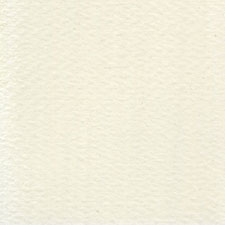
Calcite
Calcite and chalk have been in use in painting since antiquity predominantly as a component for grounds. It has also been used as a white pigment.

Chrome orange
Chrome orange is a rather rare pigment found for example in paintings by Renoir. It is not very lighfast and has been in use since 19th century.

Zinc white
Zinc white has been in use since the 18th century by painters such as Van Gogh, Manet and Munch. It is very permanent and compatible with all pigments.

Burnt Sienna
An extensive collection of information on the properties, preparation, identification, and use in painting of the natural pigment burnt sienna.

Vandyke brown
Vandyke brown: Pigment analyses and literary sources reveal its use in paintings by Rembrandt, Rubens and also more recently by Corot, Delacroix and Ingres.

Umber
Umber has been known since the 16th century and pigment analyses show its use by Rembrandt and Vermeer. It is a mixture of iron and manganese oxides.