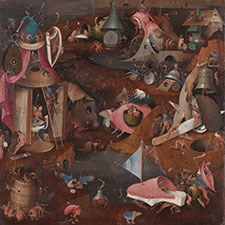
Hieronymus Bosch, The Last Judgement
An extensive collection of information on the pigment analysis and other artistic and technical aspects of Hieronymus Bosch, The Last Judgement.

An extensive collection of information on the pigment analysis and other artistic and technical aspects of Hieronymus Bosch, The Last Judgement.
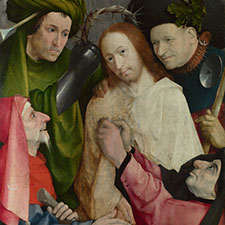
‘The Crowning with Thorns’ is a depiction of another biblical scene (John 19:1-3) with the tormentors of Christ painted in close detail which was rather unusual in Bosch’s time.
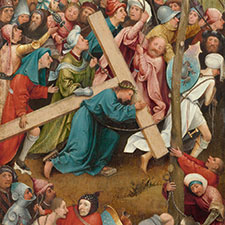
An extensive collection of information on the pigment analysis and other artistic and technical aspects of Hieronymus Bosch, Christ Carrying the Cross.
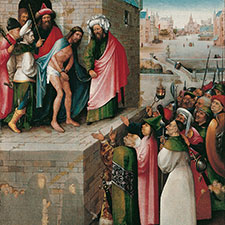
An extensive collection of information on the pigment analysis and other artistic and technical aspects of Hieronymus Bosch, Ecce Homo.
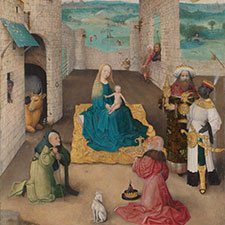
An extensive collection of information on the pigment analysis and other artistic and technical aspects of Hieronymus Bosch, The Adoration of the Magi.
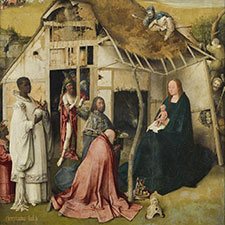
An extensive collection of information on the pigment analysis and other artistic and technical aspects of Hieronymus Bosch, The Adoration of the Magi.
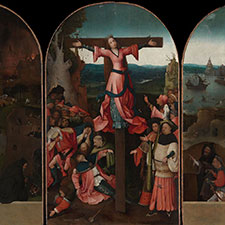
Pigment analysis and other pertinent information on Hieronymus Bosch, Saint Wilgefortis Triptych: a depiction of the crucifixion of a female Saint.
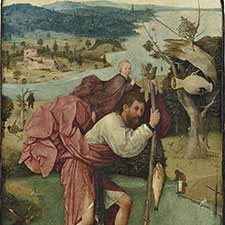
An extensive collection of information on the pigment analysis and other artistic and technical aspects of Hieronymus Bosch, Saint Christopher.
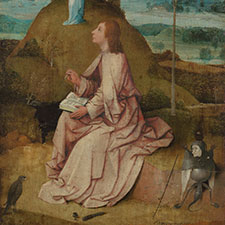
An extensive collection of information on the pigment analysis and other artistic and technical aspects of Hieronymus Bosch, Saint John on Patmos.

Indian yellow was prepared from urine of cows fed on mango leaves but its use ceased in the beginning of the twentieth century due to various factors.
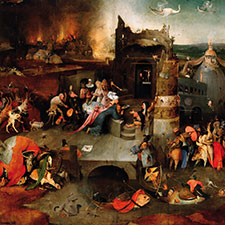
One of Bosch’s most important work with unusually complex genesis and dramatic changes to the composition.
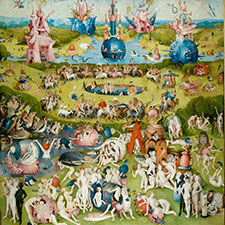
An extensive collection of artistic and technical information on Hieronymus Bosch, The Garden of Earthly Delights, one of the Bosch’s best known paintings.
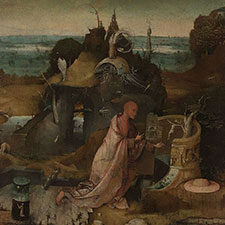
The triptych shows three saints living in solitude and prayer. The pigment analysis revealed a limited palette of the usual pigments of the Renaissance period.
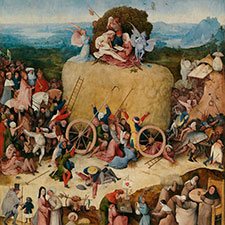
An extensive collection of information on the pigment analysis and other artistic and technical aspects of Hieronymus Bosch, The Haywain Triptych.

The painting shows Mary Magdalene with Saint Joseph in the background and the bare feet of Saint John to the left.
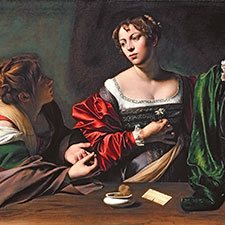
One of the most convincing depictions of the biblical scene where Martha is in the process of converting Mary Magdalene to the life of faith and virtue.
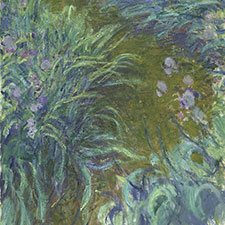
The large painting on luminous ground was painted with thick brush strokes. Monet’s palette is characteristic of this late period and contains pigments such as cobalt blue, cobalt violet, viridian, cadmium yellow and cadmium orange.
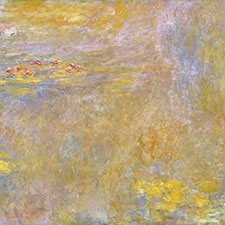
The very large painting is one of the many variations of the water-lily pond theme where Monet mostly employed single pigments.
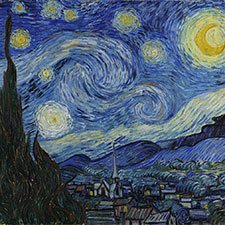
The painting’s strength lies in the stark contrast between the calm sleeping village and the dramatic, swirling and menacing sky.
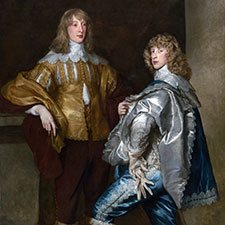
A late portrait of the two sons of the 3rd Duke of Lennox. The pigment analysis casts light on the elaborate handling of painting materials in the costumes of both young men.

One of the largest paintings in the National Gallery London. The pigment analysis shows how Van Dyck achieved the subdued tonality and subtle colours.
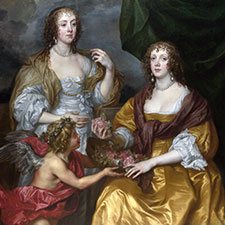
This double portrait of two sisters, daughters of Thomas, Viscount Savage was painted in England. The interactive pigment analysis allows deeper insight into Van Dyck’s working methods and his masterful depiction of the draperies and flesh tones.
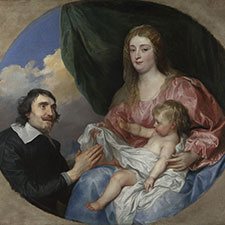
The pigment analysis reveals a palette of rather vivid colours. Van Dyck employed the usual pigments of his time, such as ultramarine, red lake, lead-tin yellow, vermilion and indigo.
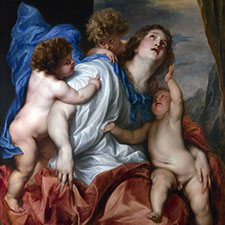
The pigment analysis helps to understand Van Dyck’s intricate painting technique. The best example is the red-brown drapery painted with a whole array of different pigments.
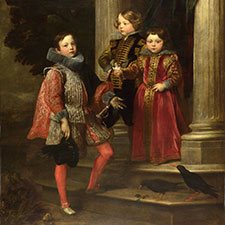
The pigment analysis and the investigation of the painting reveal a very elaborate glazing technique which Van Dyck had not used in his later work.
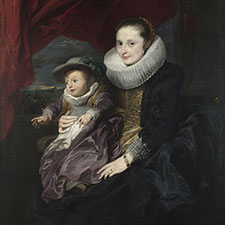
The pigment analysis reveals a masterful depiction of the draperies and dresses.

Cobalt titanate green is a modern green pigment with a slightly yellowish tint. It is not toxic and is well suited for landscape painting.

Titian resources: books, articles, websites and videos on the paintings, pigments and technique of this Italian Renaissance painter.
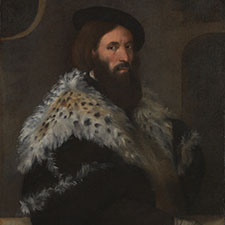
The pigment analysis reveals a very limited palette with coal black and lead white as the main pigments. Fracastoro was the famous medical doctor who identified syphylis.
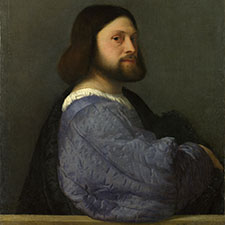
The pigment analysis reveals an elaborate structure of the quilted and padded sleeve consisting of red and blue layers.
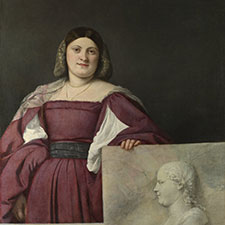
The pigment analysis reveals a very elaborate and refined structure of the purple dress consisting of interspersed blue and red layers.

The pigment analysis reveals a very extensive palette typical of the Renaissance period and also Titian’s elaborate painting technique.
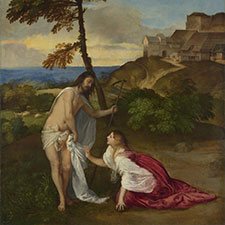
Titian, Noli me tangere is a depiction of the encounter of Christ and Magdalen. The pigment analysis underscores Titian’s masterful handling of colour.

Malevich explored pure light and pure colour by choosing pigments according to the light spectrum and employing optical phenomena.
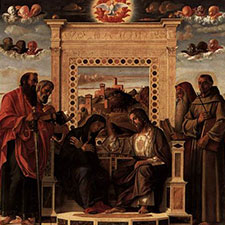
A thorough scientific investigation and pigment analysis uncovered an extensive palette with several rare pigments such as indigo, realgar and orpiment.

Analysis of pigments by advanced scientific methods revealed interesting aspects of Michelangelo’s painting technique.
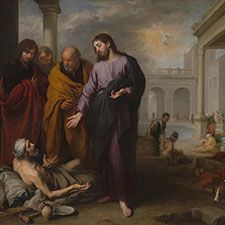
The pigment analysis reveals the usual pigments of the 17th century with smalt and carmine partially degraded in several areas.
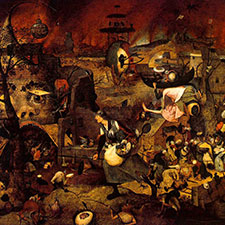
The pigment analysis conducted at the Genth University revealed the pigments used and answered two important art historical questions.

Dragon’s blood is a rarely used pigment produced by many species of trees as a dark red resin. It is secreted from the wounded trunk or found in the fruits.
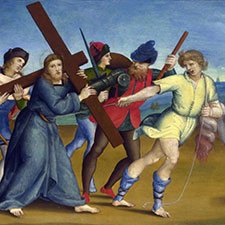
Illustrated pigment analysis gives a thorough insight into Raphael’s technique, his choice of materials and his handling of colour.
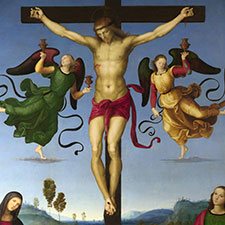
Illustrated pigment analysis describing a rich palette of well known pigments such as vermilion, verdigris and ochres and also the rare orpiment.

The pigment analysis shows a rich palette of Renaissance pigments including ultramarine, verdigris and the very rare powdered metallic bismuth.
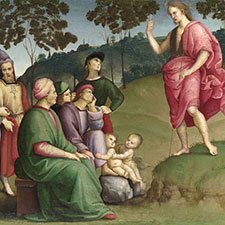
Pigment analysis reveals typical pigments employed by Raphael such as ultramarine, lead-tin yellow, azurite and verdigris.
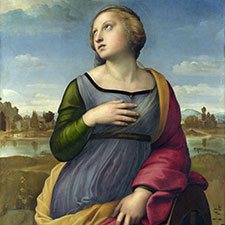
The pigment analysis shows a rich palette of Raphael’s usual pigments such as ultramarine, azurite, lead-tin yellow and ochres.
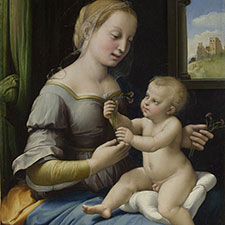
Pigment analysis shows Raphael’s use of two very rare pigments: metallic gold and metallic bismuth.
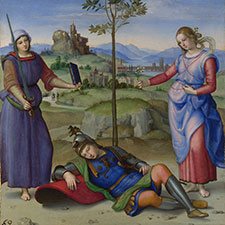
An exhaustive pigment analysis reveals a rich palette of the usual Renaissance pigments but also includes the rare orpiment.
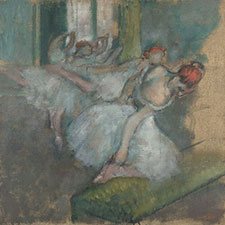
Pigment analysis of one of many variations on this theme. The palette is rather limited and contains vermilion, viridian and ochres.
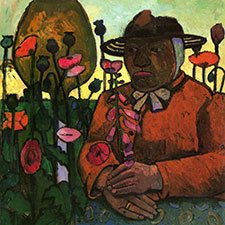
Pigment analysis of the work of this less known German expressionist painter. She was one of the painters who created modernism.

The portrait of the artist’s son painted with El Greco’s usual pigments such as carmine, azurite, umber, vermilion and ochres.

The pigment analysis reveals a limited Renaissance palette with elaborate paint layers and masterful handling of colour.